 English
 Arabic
 Chinese (Simplified)
 Dutch
Dutch French
 German
 Gujarati
 Hindi
Hindi Italian
 Kannada
 Malayalam
 Marathi
 Portuguese
 Punjabi
 Russian
 Spanish
 Tamil
Tamil Telugu

Book An Appointment
Autism Treatment
Understanding Autism and Why Recognising It Early Makes All the Difference

Autism is a neurodevelopmental condition that shapes the way a child communicates, behaves, and connects with the world around them. It is referred to as a spectrum because every child’s experience is genuinely unique. Some children may speak fluently yet find social situations overwhelming, while others may have limited speech and benefit greatly from structured, consistent support.
The real challenge is usually not the condition itself but the delay between noticing signs and starting support. When parents spot early signs and act quickly, a child’s development can improve significantly. The brain is very adaptable in early childhood, making this the best time for targeted intervention.
Autism does not limit a child’s potential. With the right support, it is just a different and equally valid way of learning and experiencing the world.
Early Signs That Parents Often Notice First
Long before a formal diagnosis is made, parents often pick up on subtle patterns in their child’s behaviour. Paying attention to these early indicators can be the first step toward getting timely, appropriate support.
Some of the most commonly observed early signs include:
- Limited or inconsistent eye contact during interaction.
- Delayed speech development or an absence of babbling in infancy.
- Repetitive movements or actions, such as hand flapping or rocking.
- Difficulty responding when their name is called.
- A strong preference for playing alone rather than with peers.
None of these signs alone confirms autism, but if several appear consistently, it’s important to get a professional evaluation. Early diagnosis allows access to structured support when it can make the biggest difference.
What Actually Makes Autism Treatment Work?
Autism treatment works best when it is personalised and done consistently. There’s no one-size-fits-all approach because every child has unique strengths and challenges. Treatment plans need to match each child’s needs.
A well-rounded treatment framework typically focuses on:
- Building and expanding communication skills.
- Improving emotional and behavioural regulation.
- Enhancing social interaction.
- Developing daily living abilities.
The ultimate goal is not just incremental improvement it is independence. Structured therapy equips children with the tools they need to navigate real-life situations with growing confidence.
A Therapy Framework That Delivers Genuine Results
A good therapy plan uses several methods, each targeting a different part of development. This combined approach usually leads to better and longer-lasting results than using just one method.
Core components of an integrated therapy plan:
- Speech therapy for language development.
- Occupational therapy for functional skills.
- Behavioural therapy for emotional balance.
- Sensory therapy for regulation.
Why an integrated approach matters:
- Addresses multiple developmental areas simultaneously.
- Reduces behavioural challenges faster.
- Improves adaptability in daily routines.
Across all of these components, consistency and repetition remain the most important factors in determining long-term success.
The Growing Interest in Natural Autism Treatment
More parents today want to go beyond just clinical therapy by incorporating holistic methods that support and enhance treatment outcomes. Natural Autism Treatment focuses on improving the child’s environment, daily habits, and overall well-being.
This approach is not a replacement for professional therapy — it works alongside it to enhance results.
Key areas of focus:
- Establishing predictable daily routines to reduce anxiety and uncertainty.
- Designing sensory-friendly home and learning environments.
- Incorporating regular physical activity to support emotional regulation.
- Supporting healthy brain function through balanced, mindful nutrition.
When these habits are applied consistently, families often notice meaningful improvements in their child’s focus, emotional stability, and overall responsiveness.
Can Autism Be Treated or Managed Successfully
Many parents wonder if autism can be treated. While there is no cure, starting early with structured support can help manage it effectively. The goal is to improve communication, behaviour, and independence.
Children who receive regular therapy often make significant improvements in social skills, emotion regulation, and daily tasks. Starting early usually brings better results. Long-term success depends on consistent care, tailored support, and parents’ involvement.
Best Age to Start Autism Therapy
Parents often ask when to start therapy. The best time is as early as you can.
The first few years are crucial for brain development. Kids learn fast and adapt more easily during this time. Starting therapy early helps them build communication skills, improve behaviour, and connect with others.
Even if therapy begins later, kids can still improve. But starting early always gives a better foundation.
Signs Your Child Needs Immediate Intervention
Spotting warning signs early can make a big difference in a child’s development.
Some signs that require attention include:
- No speech development by age 2
- Lack of eye contact
- No response to name
- Repetitive behaviours
- Difficulty in social interaction
If you notice several of these signs, it’s important to see a specialist right away. Acting early usually leads to better results over time.
Daily Routine That Improves Autism Development
A regular daily routine helps children feel safe and makes learning new skills easier.
A good routine includes therapy, learning time, physical play, and rest. Knowing what to expect lowers anxiety and helps behaviour.
Over time, sticking to a routine helps children adjust to their surroundings more easily and become more independent.
Common Mistakes Parents Should Avoid
Sometimes parents unknowingly make mistakes that slow progress. Being aware of these can help improve outcomes.
Common mistakes include:
- Delaying therapy after noticing symptoms.
- Expecting immediate results.
- Changing therapy centres frequently.
- Not reinforcing therapy at home.
Staying consistent and patient is key to success over time.
Long-Term Outcomes for Children with Autism
With the right support, children with autism can make meaningful progress over time.
Many children improve their communication, social skills, and independence. Some attend school with support and join social activities.
A child’s progress depends on early intervention, consistent care, and strong support.
How Parents Can Support Therapy at Home?
Home plays a big role in a child’s growth. Therapy sessions alone are not enough.
Parents can support progress by:
- Following therapy techniques at home.
- Reinforcing positive behaviours.
- Maintaining structured routines.
- Encouraging communication through play.
When parents get involved, children tend to develop faster and become more confident.
A Common Question: Can Autism Actually Improve with the Right Approach?
One common question parents ask is whether autism can really improve over time. The honest answer is yes, and it mostly depends on how early and consistently the intervention starts.
Research and real-world outcomes consistently show that children who receive structured support demonstrate:
- Better communication skills.
- Improved behaviour and emotional control.
- Stronger social interaction.
- Increased independence.
Progress does not happen overnight, but it is very real. With the right approach, a child’s potential steadily translates into measurable, observable development.
Another Common Question: What Is the Best Age to Start Therapy?
Parents often ask when the best time to start therapy is. The simplest and most supported answer is: as early as possible.
The early years are especially critical for therapy because:
- Brain development is at its peak.
- Learning ability is highest.
- Behaviour patterns are still flexible.
Starting therapy early gives children the best opportunity to adapt, grow, and develop the essential life skills that will serve them for years to come.
What Parents Should Know: What Happens When Treatment Is Delayed?
When intervention is delayed, developmental gaps usually get bigger over time. Without proper support, children may struggle more with communication, learning, and social connections. These challenges become harder to fix the longer they are left unaddressed.
Some of the more common long-term challenges that can arise include:
- Difficulty in academic environments.
- Social withdrawal.
- Behavioural issues.
- Reduced independence.
Taking early action significantly reduces the risk of these outcomes and helps lay a much stronger foundation for the child’s long-term growth.
Daily Habits at Home That Strengthen Your Child’s Development
Therapy sessions are important, but they are just one part of the process. What happens at home between sessions is just as important for a child’s progress.
There are several practical ways parents can actively support their child’s development at home:
- Maintaining consistent, structured daily routines
- Encouraging communication through regular, meaningful daily interaction
- Reinforcing positive behaviour
- Minimising sources of overstimulation in the child’s environment
A consistent and supportive home life helps accelerate progress in therapy and builds real confidence in children over time.
Long-Term Outcomes: What Parents Can Realistically Expect
With consistent effort, the right guidance, and a supportive environment, children can achieve meaningful milestones. Many children show significant improvement in communication, behaviour, and independence as they progress through treatment.
The goal is not perfection. It’s steady, meaningful, and real progress.
Children can:
- Attend school with support.
- Build social relationships.
- Perform daily activities independently.
The journey asks families for a great deal of patience, but for those who stay the course, the results can be truly transformative.
Take the First Step: Start Early, Act Now
If you notice developmental delays or unusual behaviour in your child, don’t wait for them to fix themselves. Acting early makes a long-term difference that can’t be matched later.
Reach out to a specialist, begin structured therapy, and commit to consistency. The sooner you take that first step, the better positioned your child will be to adapt, learn, and grow.
The decision you make today has the power to shape your child’s tomorrow in ways you may not yet be able to imagine.
Recent Blogs

Man Of Homeopathy – Dr A M Reddy
Dr. A M Reddy, A Homeopathic healer of international fame whose revolutionary remedies bought hope and healing to countless patients started his journey back in the early 2000s. He has completed his BHMS from Gulbarga University and his master’s from Dr. Babasaheb Ambedkar University in Aurangabad, Maharashtra. Since the 2000s, he has dedicated his entire…

Sweet Pills for Autism
In recent years, most of us have been busy completing the daily chores and cannot enjoy the refreshing memories with family and loved ones. Most nuclear families are affected by the upbringing of children as we lack the support of elders or relatives, which can lead to autism in kids due to a lack of…

Weak Immunity of Mom? Child can be Restless and Hyperactive
A five-year-old stripling was brought to Dr. A M Reddy Autism Centre with a grumble of hyperactivity, and he’s an Autistic child with restless speech holdback and no social intercourse with others. Dr. Reddy recognized the kid is facing issues due to immunity disturbances. The child was born to biological parents three years after marriage.…

Vitalizing ‘Immunotherapy’, a Homeopathy Treatment for Autism Kids
As experts and the Autism neighborhood constellate for the Leadership Summit on Challenging Comportments, converses explored a broad range of programs and results that address severe, moderate-intensity, and lately arising deportment challenges. Dr. A M Reddy was one of the Best Homeopathic Doctors in the World who had experience in treating autism with satisfaction. He…

7 Ways How Disease Suppressions Causes ASD
Many spine-chilling words on the street about what causes autism, a mystic brain ailment, in children. We enquired leading experts about these across the globe, and yet answers are unavailable. Do you know disease suppressions can also cause ASD? There is no medical evidence for detecting autism, so experts must reckon on behavioral signs. In…

Autism Diet: Homeopathy Treatment
Autism spectrum disorders (ASD) are developmental diseases that impair children’s capacity to communicate and interact socially. ASD has no established cause; however, both genetics and environment are thought to influence it. Continue reading to learn more about how diet might affect autism. It is a complicated developmental and neurological disease that usually manifests within the…

Does ASD in Pregnancy Affect kids’ health?
“Being pregnant is one of the happiest moments of a woman’s life! It is the duration when mother & baby are at a very delicate stage & need to be taken care of.” Every woman during pregnancy is unique, and it is hard to eliminate all potential hazards to your baby. On the other hand,…

Mother’s Over Medication Triggers ASD in Kids
A young, smart business-woman visited our clinic and said that her son had been suffering from Attention Deficiency and other Behavioral Disorders for five years. She had first noticed it at the age of 03 years. But it was diagnosed one year back by a specialist, and he said that the over- medication is the…

Does Emotional and Behavioral Disorders affect the academics of kids?
Several emotional and behavioral difficulties affect children and adolescents, including disruptive, depression, anxiety, and pervasive developmental (autism) disorders, classified as either internalizing or externalizing difficulties. “Temper tantrums, attention deficit hyperactivity disorder, oppositional, defiant, or conduct disorders are the most frequent behavioral difficulties in preschool and school-age children.” Dr. AM. Reddy Autism Centre is ideal for…

ADHD Symptoms in Adults and Homeopathy Treatment
Three typical symptoms of Attention-Deficit Hyperactivity Disorder (ADHD) that you can see in today’s youngsters are hyperactivity, distractibility, and impulsiveness. This is distinct in contrast to the children of three decades ago. They were branded as “normal” even when they let off some steam or kicked up some dirt. Read the space attentively to learn…

Tips for Parents of Children on the ASD
Parenting is an excellent phase where you can relish the fragrance of the naughty things done by the kids and overwhelm them and plan about the children’s future. Being a parent is not a day wasted as you can store most memories with the children once they grow. Parents of Children with ASD dedicate their…

ADHD – Causes and Signs
Childhood is vital as it is stage to learn, secure memories, and enjoy the love by the rest of the family members which lacks in ADHD kids. They are treated like a queen or a king of the family, and their needs would be the priority to the parents. Parents have to concentrate on the…

Poor Handwriting? Learning Disabilities: Symptoms, Types and Treatment
Learning disability is one of the most common disorders that affect children of young age, causing an inability to understand or use spoken or written language. Even if the learning disability occurs at a younger age, it can only be seen after school age. It involves a weakness in reading, reasoning, writing, organizing, and math.…

Difficulty in focusing? Is It Autism or ADHD? Or Both?
Introduction Autism and Attention Deficit Hyperactivity Disorder (ADHD) are two conditions that are similar to each other. Children who have Autism or ADHD can have similar symptoms. This similarity in symptoms can often lead to misinterpretation of one condition to the other. Children with the conditions can have a hard time focusing. They also will…

A Case Study of 5 Year Old Rohith
Doctor, everything was so perfect. When we planned for a second child, we consulted a gynecologist who said everything was fine. When he was born, we thought our family was complete and were very happy. Our world came crashing down when we realized something is wrong with him, and his pediatrician diagnosed him with Autism.…

Autism and Sensory Issues
Autism and Sensory Issues Autism is a neurological and developmental disorder that primarily hinders a child’s ability to communicate, learn and behave socially. Because of its wide range of symptoms the word “spectrum” has been added to it. Autism may also be associated with other disorders like ADHD, conduct disorder, dyslexia, learning disabilities, and neurosensory…
Down Syndrome
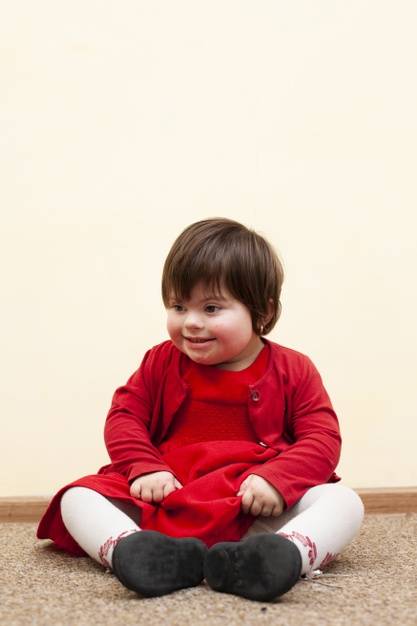
March 21st is World Down Syndrome Day. Down Syndrome is a congenital disorder caused due to chromosomal abnormality. There are hundreds to thousands of genes on each chromosome. There are 23 pairs of chromosomes in a human cell. When an extra copy of the 21st chromosome is added to its pair, it leads to Down…

Conduct Disorder: The Story of Raj
Conduct Disorder – 14 Year Old Raj Fourteen year old Raj, was brought to the clinic by his father. It was noticed that he entered the chambers rather reluctantly and plonked himself on a patient chair, his head bending down and sitting carelessly. His father started narrating about his son’s conduct disorder. Family Background Raj…

AUTISM IS NOT A SINGLE DISORDER
Autism is not a single disorder, but a spectrum of closely related disorders with a shared core of symptoms. Every individual on the autism spectrum has problems to some degree with social interaction, empathy, communication, and flexible behavior. But the level of disability and combination of symptoms varies tremendously from person to person. In fact,…

A 5 YEAR OLD HYPERACTIVE BOY WITH SPEECH DELAY
A five-year-old boy was brought to Dr A M Reddy Autism Centre with the complaint of hyperactivity, and he is an Autistic child with Speech delay and no social interaction with others. The child was born to consanguineous parents, three years after marriage. Both the parents were healthy. Family history of diabetes mellitus was positive…
A Case Study of Autism: Arun, 4 Years Old
Arun was brought for consultation with Dr. A M Reddy by his parents. He was about 4 years old, the second child to the parents. Even while he was being brought into the room, we could hear his loud wailing. It took some time for the child to calm down and later we could observe…

A Case Study of Autism: Paul, 3 Years Old
Autism Case Study: Paul, 3 Years Old Paul was about 3 years when he was brought to Dr. A M Reddy Autism Center. At about 2 years of age, he was diagnosed with mild Autism and from then on he was placed in different therapies and finally came to Dr. Reddy on the recommendation of…

Behavior Problems and how to deal with them
Autism is not a hardwired impairment programmed into a child’s genes and destined to remain fixed forever. Paying attention differently to and recording the environment around and prior to incidents can lead to an understanding of triggers for occurrences. Sensory breaks can help your child regroup and refocus. Figuring out your child’s needs There’s been…

Double Diagnosis, ADHD and Autism
Beau Baldassari, 8, part of a military family, showed his parents early on that he didn’t respond well to the frequent moves that are part of a military career. “One month before the move, he became angry all the time, defiant, just the definition of a behavior problem,” said Beau’s mother, Ally Baldassari. She didn’t…

Summer and ASD
Summer is about getting outside and being active! Check out a report from one of our Local Impact grantees, Wesley Family Services in Pittsburgh, PA. Our grant helps pay for scholarships for all attendees with autism to participate in a program called Get Moving! Running, Walking, and Hiking for Wellness. Participants and their family members…